
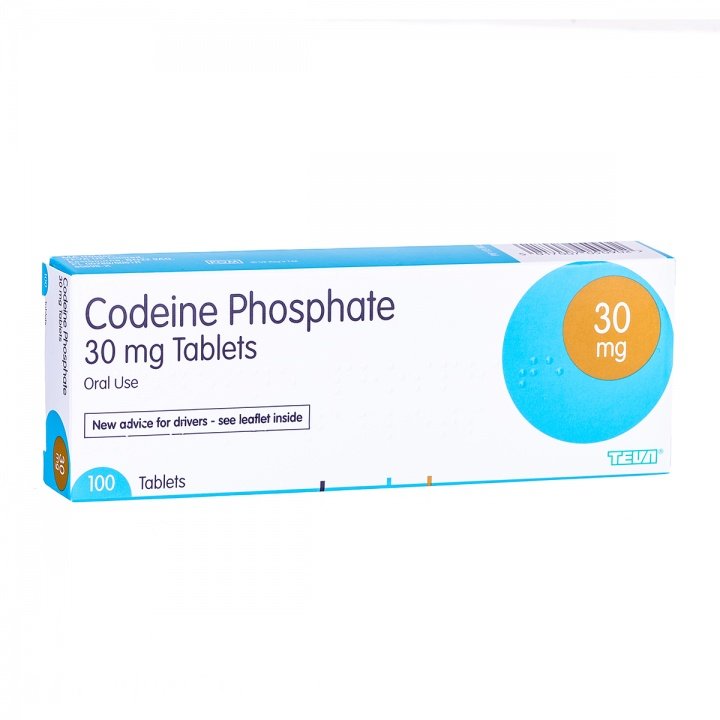
Buy Codeine Phosphate 30mg Tablets online (prescription required)
Codeine Phosphate 30mg tablets are a clinical intervention categorized as opioid analgesics. This medication is utilized in the management of acute pain that is considered mild to moderate in intensity. It is typically indicated for patients who have not achieved adequate pain relief through the use of first-line non-opioid medications, such as paracetamol, aspirin, or non-steroidal anti-inflammatory drugs (NSAIDs) like ibuprofen. Because this medication belongs to the opioid class, it is strictly controlled and available at Better Well Store only following a thorough clinical assessment and the issuance of a valid prescription by a licensed healthcare professional.
As a regulated substance, Codeine Phosphate must be used under the direct supervision of a prescriber to ensure patient safety and to monitor for the risks associated with opioid therapy. This high-strength formulation is distinct from lower-dose combination products that may be available in different regulatory categories. The 30mg dosage is specifically intended for significant pain management where the therapeutic benefits are judged to outweigh the risks of side effects. Patients must undergo a consultation to determine if this medication is appropriate for their specific medical history and current condition.
At Better Well Store, we prioritize patient safety and regulatory compliance. Codeine Phosphate is not suitable for everyone, and its use is subject to strict medical guidelines to prevent misuse, dependency, and adverse reactions. A prescription is a legal and safety requirement for every order. During the consultation process, healthcare providers evaluate the patient’s pain levels, previous treatment history, and any potential contraindications to ensure the medication is used responsibly and effectively.
What Codeine Phosphate 30mg Tablets are used for
The primary clinical indication for Codeine Phosphate 30mg tablets is the short-term relief of acute, moderate pain. In clinical practice, “acute pain” refers to pain that is sudden in onset and usually associated with a specific injury, surgical procedure, or medical condition. When standard analgesics fail to provide sufficient relief, healthcare providers may step up the analgesic ladder to include a weak opioid like codeine phosphate. The goal of this treatment is to reduce pain to a manageable level, allowing for improved function and recovery during the acute phase of an ailment.
Beyond its application in pain management, codeine phosphate is also utilized in specific clinical settings for other symptoms. It acts as an antitussive, meaning it can be prescribed to suppress a dry, non-productive, and persistent cough that interferes with sleep or daily activities. Additionally, because opioids slow down the motility of the gastrointestinal tract, codeine may be used under medical supervision to manage acute diarrhea in adults. However, these uses are specialized and require a specific diagnosis from a prescriber.
It is important to note that Codeine Phosphate 30mg is not indicated for the management of chronic or long-term pain unless specifically directed by a specialist. The risks of developing physical dependence and tolerance increase significantly with prolonged use. Therefore, its application is generally limited to short durations—typically no more than three days unless otherwise instructed by a doctor. A valid prescription and ongoing medical oversight are mandatory to ensure the medication is being used for its intended purpose and within safe parameters.
How Codeine Phosphate 30mg Tablets work
Codeine Phosphate functions by targeting the central nervous system (CNS). As an opioid analgesic, it interacts with specific proteins known as opioid receptors (predominantly the mu-opioid receptors) located in the brain and spinal cord. When codeine binds to these receptors, it alters the transmission of pain signals throughout the nervous system. It does not eliminate the source of the pain but rather changes the way the brain perceives and responds to the painful stimuli, thereby increasing the patient’s threshold for pain.
Once ingested, codeine is metabolized in the liver by an enzyme known as CYP2D6 into morphine, which is the active compound responsible for much of its analgesic effect. The efficiency of this conversion varies between individuals based on their genetic makeup. Some individuals are “ultra-fast metabolizers,” who convert codeine into morphine more rapidly than average, while others are “poor metabolizers,” who may experience little to no pain relief from the medication. This biological variability is one of the primary reasons why a professional medical consultation and a valid prescription are required, as a prescriber must assess the patient’s likely response and safety profile.
In addition to its effects on pain perception, the interaction with opioid receptors in the brain’s cough center leads to the suppression of the cough reflex. In the digestive system, the activation of these receptors slows down the rhythmic contractions of the intestines (peristalsis), which is why it is effective in treating diarrhea—though this same mechanism frequently results in constipation as a common side effect. Because the drug affects the CNS, it can also cause systemic effects such as drowsiness or respiratory depression, reinforcing the necessity of taking the medication exactly as prescribed by a licensed healthcare provider.
Buy Codeine Phosphate 30mg Tablets strengths and pack options (prescription required)
The 30mg strength of Codeine Phosphate is a standardized clinical dose designed for adult patients requiring moderate pain relief. At Better Well Store, we provide this specific strength to patients who have been evaluated and issued a valid prescription by a qualified healthcare professional. The 30mg tablet is an oral formulation containing codeine phosphate hemihydrate as the active ingredient. Below are the details regarding the available presentation of this medication.
| Product Name | Active Ingredient Strength | Formulation | Requirement |
|---|---|---|---|
| Codeine Phosphate | 30mg | Oral Tablet | Valid Prescription Required |
This medication is presented as a single-ingredient tablet, ensuring that the dosage of codeine is precise and not influenced by other active substances such as paracetamol or caffeine, which are often found in lower-strength combination products. By using a single-ingredient 30mg tablet, prescribers can more accurately tailor a pain management plan to the patient’s specific needs. Patients must always verify that they are taking the correct strength as directed by their prescriber, as the 30mg dose is significantly more potent than over-the-counter alternatives. A consultation with a licensed prescriber is the only way to access this strength legally and safely.
Dosage and administration guidance
Adherence to the prescribed dosage is critical when taking Codeine Phosphate 30mg tablets. The specific dose and frequency of administration will be determined by a healthcare provider based on the severity of the pain, the patient’s age, weight, and medical history. Patients must never exceed the recommended dose or take the medication more frequently than directed, even if the pain does not seem to be fully controlled. If the current regimen is ineffective, a consultation with a prescriber is necessary to discuss alternative treatments or dose adjustments; self-adjusting opioid dosages is dangerous and strictly discouraged.
The tablets should be swallowed whole with a glass of water. They can be taken with or without food, though taking them with food may help reduce the likelihood of nausea, which is a common side effect of opioid medications. It is important not to crush, chew, or break the tablets, as this can alter the rate at which the medication is absorbed into the bloodstream. Consistency in how the medication is taken helps maintain stable levels in the body and ensures the most predictable therapeutic outcome. Patients are advised to use the lowest effective dose for the shortest possible duration to minimize the risks of side effects and dependence.
If a dose is missed, it should be taken as soon as the patient remembers, unless it is nearly time for the next scheduled dose. In such cases, the missed dose should be skipped, and the regular schedule resumed. Patients must never “double up” on doses to make up for a missed one, as this significantly increases the risk of toxicity and respiratory depression. Because Codeine Phosphate can cause drowsiness and impaired coordination, patients should avoid driving, operating heavy machinery, or performing tasks that require alertness until they are certain how the medication affects them. Regular review with a healthcare provider is essential for any patient requiring this medication for more than a few days, and a valid prescription must be maintained for all refills at Better Well Store.
Proper storage is also a vital aspect of administration. Codeine Phosphate should be kept in its original packaging, stored at room temperature away from moisture and direct sunlight, and kept strictly out of the reach of children and pets. As a potent opioid, even a single accidental ingestion by a child can be fatal. Furthermore, because of the potential for misuse, patients should ensure the medication is stored securely to prevent unauthorized access. The requirement for a prescription and professional consultation serves as the first line of defense in ensuring these administration guidelines are understood and followed by the patient.
During the course of treatment, patients should be mindful of how their body responds. If the medication is used for more than a few days, it should not be stopped abruptly without consulting a prescriber, as this can lead to withdrawal symptoms such as restlessness, sweating, and muscle aches. A healthcare provider will typically provide a tapering schedule if the medication has been used for an extended period. This level of medical oversight is why a valid prescription and licensed prescriber consultation are mandatory for every patient at Better Well Store.
Side effects
Like all medications, Codeine Phosphate 30mg Tablets can cause side effects, although not everyone will experience them. Because this medication belongs to the opioid analgesic class, it acts on the central nervous system, which can result in various systemic responses. A valid prescription and consultation with a licensed prescriber are required to ensure the benefits of this medication outweigh the potential risks for your specific medical profile.
Common side effects associated with the use of codeine include:
- Drowsiness and fatigue
- Dizziness or lightheadedness
- Nausea and vomiting
- Constipation
- Dry mouth
- Mild abdominal pain
Constipation is a particularly common side effect of opioid therapy. To manage this, patients are often advised to increase their dietary fiber intake and maintain adequate hydration. If these symptoms persist or become bothersome, it is essential to contact your healthcare provider at Better Well Store or your local physician.
More serious side effects require immediate medical attention. These include respiratory depression (slowed or shallow breathing), severe hypotension (low blood pressure), confusion, hallucinations, or signs of an allergic reaction such as swelling of the face, tongue, or throat. Because codeine carries a risk of respiratory suppression, it must be taken exactly as prescribed by a licensed professional.
Warnings, contraindications and interactions
Codeine Phosphate 30mg Tablets are subject to strict regulatory controls due to the risk of dependence and misuse. A valid prescription and prescriber consultation are required before this medication can be dispensed. Prolonged use of codeine can lead to physical and psychological dependence, and the medication should only be used for the shortest duration necessary for acute pain management.
There are significant drug interactions that must be considered. Codeine should not be combined with other central nervous system (CNS) depressants unless specifically directed by a prescriber. These include:
- Alcohol
- Benzodiazepines and other sedatives
- Other opioid medications
- Sleeping pills
- Muscle relaxants
Combining these substances significantly increases the risk of profound sedation, respiratory distress, coma, and death. Additionally, certain medications that affect liver enzymes (such as CYP2D6 inhibitors) can alter how the body metabolizes codeine, potentially making it less effective or increasing the risk of toxicity. You must disclose all current medications, including herbal supplements and over-the-counter drugs, during your consultation.
Who should not take Codeine Phosphate 30mg Tablets
Certain individuals are at a higher risk of adverse events when taking codeine. A licensed prescriber will assess your suitability, but generally, this medication is contraindicated for:
- Children under the age of 12 for any indication.
- Adolescents under the age of 18 who have undergone a tonsillectomy or adenoidectomy to treat obstructive sleep apnea, due to the risk of severe respiratory problems.
- Individuals known to be “ultra-rapid metabolizers” of codeine, who convert the drug into morphine more quickly than average, leading to dangerous levels of morphine in the blood.
- Women who are breastfeeding, as codeine can pass into breast milk and cause life-threatening respiratory depression in the infant.
- Patients with severe respiratory insufficiency or acute asthma.
- Individuals with a known hypersensitivity or allergy to codeine phosphate or any of the inactive ingredients in the tablet.
- Those with a history of substance use disorder or addiction.
Storage and disposal
Proper storage of Codeine Phosphate 30mg Tablets is a critical safety measure. This medication must be kept out of the reach and sight of children and pets, as an accidental dose can be fatal. Store the tablets in their original packaging to protect them from moisture and light, and keep the container at room temperature (below 25°C).
Do not use this medication after the expiry date stated on the pack. If you have unused or expired medication, do not dispose of it via wastewater or household waste. Proper disposal helps protect the environment and prevents accidental ingestion or misuse. Better Well Store recommends taking unused opioids to a local pharmacy for professional disposal according to local controlled substance regulations.
How to buy Codeine Phosphate 30mg Tablets online (prescription required)
At Better Well Store, we prioritize patient safety and regulatory compliance. You cannot purchase Codeine Phosphate 30mg Tablets without a valid prescription. The process begins with a comprehensive clinical assessment to determine if this medication is the appropriate treatment for your symptoms.
Our prescription verification process ensures that every order is reviewed by a licensed healthcare professional. During the consultation, you will be asked to provide your medical history, current symptoms, and any other medications you are taking. Once a prescription is issued, it is verified by our pharmacy team before dispensing.
We understand the importance of privacy when managing your health. All orders from Better Well Store are shipped in discreet, neutral packaging with no indication of the contents on the outside of the box. Furthermore, our registered pharmacists are available to provide support and answer questions regarding your medication, ensuring you have the information necessary for safe use.
Frequently asked questions
Is a prescription always required for 30mg Codeine tablets?
Yes. While lower doses of codeine are sometimes found in over-the-counter combination products in certain jurisdictions, the 30mg pure formulation is a high-strength opioid and is strictly a prescription-only medication. A valid prescription and prescriber consultation are required at Better Well Store.
Can I drink alcohol while taking Codeine Phosphate?
No. Alcohol should be strictly avoided. Consuming alcohol while taking codeine significantly increases the risk of dangerous side effects, including severe drowsiness and life-threatening respiratory depression.
What should I do if the medication does not relieve my pain?
You should never increase your dose of codeine without consulting your prescriber. If the 30mg dose is ineffective, contact your healthcare provider at Better Well Store to discuss alternative pain management strategies or a different treatment plan.
How long can I take Codeine Phosphate 30mg Tablets?
Codeine is intended for the short-term management of acute pain. Prolonged use increases the risk of tolerance, where the body requires more of the drug to achieve the same effect, and physical dependence. Your prescriber will provide guidance on the appropriate duration of treatment.
Does this medication cause drowsiness?
Yes, drowsiness is a common side effect of opioid analgesics. You should not drive, operate heavy machinery, or engage in potentially hazardous activities until you know how this medication affects you.
Can I take Codeine if I am pregnant?
The use of codeine during pregnancy is generally not recommended unless deemed essential by a doctor. Use during the third trimester or during labor can lead to withdrawal symptoms or respiratory distress in the newborn. A thorough consultation with a licensed prescriber is required to assess the risks.
Medical disclaimer
The information provided on this page is for educational and informational purposes only and does not constitute medical advice, diagnosis, or treatment. Codeine Phosphate 30mg Tablets are a controlled medication that carries significant risks of side effects, dependence, and respiratory depression. A valid prescription and a consultation with a licensed prescriber are required before using this medication. Always seek the advice of your physician or another qualified health provider with any questions you may have regarding a medical condition or treatment plan. Never disregard professional medical advice or delay in seeking it because of something you have read here.
Be the first to review “Codeine Phosphate 30mg Tablets”
Related products

Reviews
There are no reviews yet.