
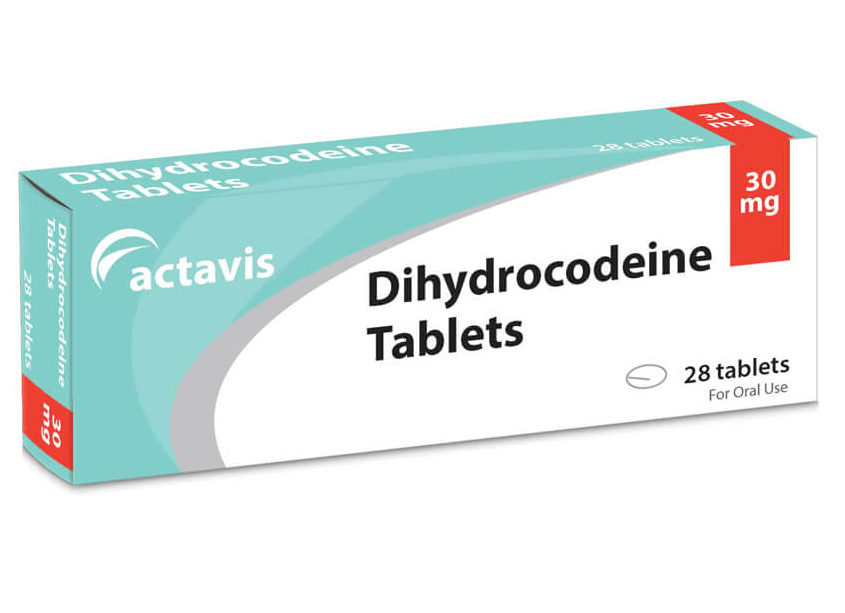

Buy Dihydrocodeine 30mg tablets online (prescription required)
Dihydrocodeine is a potent opioid analgesic classified as a semi-synthetic opioid. It is primarily indicated for the management of moderate to severe pain when first-line treatments, such as paracetamol or non-steroidal anti-inflammatory drugs (NSAIDs), have proven insufficient. At Better Well Store, we ensure that patients receive comprehensive information regarding their medications to promote safe and effective use under medical supervision. It is a legal requirement in the UK that dihydrocodeine is only dispensed following a consultation with a licensed healthcare professional and the issuance of a valid prescription.
This medication belongs to the class of drugs known as opioid agonists. It is frequently utilized in clinical settings to address chronic pain conditions or acute episodes that require a higher level of analgesia than over-the-counter options can provide. Because dihydrocodeine acts directly on the central nervous system, it is subject to strict regulatory controls to prevent misuse and ensure patient safety. Patients considering this treatment must undergo a thorough medical assessment to determine suitability, taking into account their medical history and any concurrent medications.
As with all opioid-based treatments, the objective of using Dihydrocodeine 30mg tablets is to achieve sufficient pain control with the lowest effective dose for the shortest duration necessary. Prolonged use can lead to physiological changes, including tolerance and dependence, which necessitates careful monitoring by a prescriber. Patients are encouraged to discuss a long-term pain management plan with their GP or specialist, which may include non-pharmacological therapies alongside their prescribed medication.
What Dihydrocodeine is used for
Dihydrocodeine is used for a variety of clinical presentations where pain is significant and persistent. Unlike weaker analgesics, it is designed for situations where the pain intensity interferes with daily functioning or quality of life. Common conditions for which Dihydrocodeine 30mg tablets may be prescribed include:
- Sciatica and Nerve Pain: Compressed or irritated nerves in the spine can cause sharp, radiating pain down the legs. Dihydrocodeine helps modulate these signals to provide relief during acute flare-ups.
- Arthritic Conditions: For patients suffering from osteoarthritis or rheumatoid arthritis, joint inflammation can become debilitating. Dihydrocodeine may be used as an adjunctive treatment when standard anti-inflammatory medications are contraindicated or inadequate.
- Post-operative Recovery: Following surgical procedures, pain management is critical for patient comfort and mobility. Dihydrocodeine is often part of a step-down regimen as patients transition from intravenous pain relief to oral medications.
- Bone and Soft Tissue Injuries: Severe fractures or significant muscular trauma may require the moderate-to-strong analgesic properties of dihydrocodeine during the initial healing phases.
It is important to note that Dihydrocodeine is not intended for mild pain, such as minor headaches or slight muscle strains. Its use is reserved for instances where the prescriber deems the benefits of opioid therapy to outweigh the potential risks. A valid prescription and prescriber consultation are required to ensure the medication is appropriate for the specific type of pain being treated.
How Dihydrocodeine works
The mechanism of action for dihydrocodeine involves the central nervous system (CNS). As an opioid agonist, it functions by mimicking the body’s natural pain-relieving chemicals, known as endorphins. When a patient takes a 30mg tablet, the active ingredient, Dihydrocodeine Tartrate, is absorbed into the bloodstream and travels to the brain and spinal cord.
Once in the CNS, the medication binds to specific proteins called mu-opioid receptors. These receptors are located on the surface of nerve cells involved in the transmission of pain signals. By binding to these receptors, dihydrocodeine inhibits the release of neurotransmitters that signal pain to the brain. Consequently, while the underlying cause of the pain (such as inflammation or tissue damage) may still be present, the patient’s perception of that pain is significantly diminished.
In addition to altering pain perception, opioids can also affect the emotional response to pain. This dual action helps patients cope with the distress associated with severe physical discomfort. However, because these receptors are also located in areas of the brain that control respiratory rate and gastrointestinal motility, the medication can produce systemic effects beyond pain relief. This is why a prescriber consultation is mandatory to evaluate respiratory health and other risk factors before a prescription is issued.
Buy Dihydrocodeine strengths and pack options (prescription required)
At Better Well Store, Dihydrocodeine is available in a specific formulation designed for moderate to severe pain management. While dihydrocodeine is sometimes found in lower doses combined with paracetamol (such as in co-dydramol), the 30mg tablets discussed here contain only Dihydrocodeine Tartrate as the active opioid ingredient. This allows for more precise titration of the opioid dose without the risk of paracetamol toxicity.
The following table outlines the specific preparation available for which a valid prescription and prescriber consultation are required:
| Product Name | Active Ingredient | Strength | Formulation |
|---|---|---|---|
| Dihydrocodeine Tartrate | Dihydrocodeine Tartrate | 30mg | Immediate-release Tablet |
Patients must ensure they are taking the correct strength as dictated by their healthcare provider. The 30mg tablet is a standard dose for moderate to severe pain, but it may not be suitable for all patients, particularly those who are opioid-naive or those with impaired organ function. A consultation with a licensed prescriber is the only way to determine the correct quantity and strength for your individual needs.
Dosage and administration guidance
Proper administration of Dihydrocodeine 30mg tablets is essential for safety and efficacy. The dosage must be personalized by a healthcare professional based on the severity of the pain, the patient’s previous experience with opioid medications, and their overall health status. The following are general guidelines for administration, but the instructions provided by your prescriber and those found on the dispensing label must always take precedence.
Typically, for adults, the standard dose is one 30mg tablet taken every four to six hours as needed for pain. It is generally advised not to exceed a total of 240mg (eight tablets) in any 24-hour period, though many patients find relief at significantly lower daily totals. The tablets should be swallowed whole with a glass of water. They can be taken with or without food; however, taking them with food may help reduce the incidence of nausea, which is a common side effect of opioid medications.
Consistency is key when managing persistent pain, but Dihydrocodeine should not be used on a “round-the-clock” basis unless specifically instructed by a doctor. If a dose is missed, it should be taken as soon as remembered, unless it is nearly time for the next scheduled dose. Patients should never double the dose to make up for a missed one, as this increases the risk of respiratory depression and other serious side effects.
It is vital to maintain open communication with your prescriber regarding the effectiveness of the dosage. If the pain is not adequately controlled, do not increase the dose yourself. A consultation is required to adjust the treatment plan safely. Conversely, if you have been taking Dihydrocodeine for an extended period, do not stop taking it abruptly. Sudden cessation can lead to withdrawal symptoms such as restlessness, anxiety, tremors, and sweating. Your prescriber will provide a tapering schedule to gradually reduce the dose when the medication is no longer needed.
Furthermore, patients must be aware that Dihydrocodeine can cause drowsiness and dizziness. Activities requiring mental alertness, such as driving or operating heavy machinery, should be avoided until you know how the medication affects you. Alcohol consumption is strictly discouraged while taking Dihydrocodeine, as it can dangerously enhance the sedative effects of the opioid, leading to extreme lethargy and respiratory distress. Always ensure you have a valid prescription and have undergone a prescriber consultation before beginning or changing your dosage of Dihydrocodeine 30mg tablets.
Side Effects of Dihydrocodeine 30mg
Like all medications, Dihydrocodeine 30mg tablets can cause side effects, although not everyone will experience them. Understanding these potential reactions is a critical part of the consultation process with your prescriber. Side effects are often dose-dependent and may subside as the body adjusts to the medication. However, because Dihydrocodeine is a central nervous system (CNS) depressant, some effects require careful monitoring.
Common side effects associated with Dihydrocodeine include:
- Gastrointestinal Issues: Constipation is a very common side effect of opioid medications. This occurs because the medication slows down the movement of the digestive tract. Patients are often advised to increase fiber intake and maintain hydration. Nausea and vomiting are also possible, particularly during the initial stages of treatment.
- Central Nervous System Effects: Drowsiness, dizziness, and a feeling of lightheadedness are frequently reported. These effects can impair the ability to perform tasks requiring mental alertness, such as driving or operating machinery.
- Anticholinergic-like Effects: Some patients may experience a dry mouth (xerostomia), which can be managed by sipping water or using sugar-free gum.
- Skin Reactions: Itching (pruritus) or sweating may occur due to the release of histamine, a common reaction to opioid analgesics.
Serious side effects are less common but require immediate medical intervention. These include respiratory depression (slowed or shallow breathing), significant confusion, or signs of an allergic reaction such as swelling of the face, lips, or throat. If you experience any severe symptoms, you must seek emergency medical care and inform your healthcare provider immediately.
Warnings, Contraindications, and Interactions
Dihydrocodeine 30mg is a potent analgesic that requires a thorough medical assessment before use. A valid prescription and consultation with a licensed prescriber are required to ensure the medication is appropriate for your specific clinical needs. Several warnings apply to the use of this opioid.
Respiratory Health: Dihydrocodeine should be used with extreme caution in patients with compromised respiratory function, such as those with chronic obstructive pulmonary disease (COPD) or severe asthma. Opioids can decrease the respiratory drive, which may lead to dangerous levels of carbon dioxide in the blood.
Tolerance and Dependence: Prolonged use of Dihydrocodeine can lead to physical and psychological dependence. Tolerance may also develop, meaning higher doses are required to achieve the same level of pain relief. It is vital to follow the prescribed dosage exactly and not to escalate the dose without professional medical guidance. Abruptly stopping the medication after long-term use can lead to withdrawal symptoms.
Drug Interactions: Dihydrocodeine can interact with other substances that depress the central nervous system. This includes:
- Alcohol (which significantly increases the risk of sedation and respiratory depression).
- Benzodiazepines and other sedatives.
- Other opioid medications.
- Certain antidepressants, particularly Monoamine Oxidase Inhibitors (MAOIs).
- Antihistamines that cause drowsiness.
Patients must disclose all current medications, including herbal supplements and over-the-counter drugs, to their prescriber during the consultation process at Better Well Store.
Who Should Not Take Dihydrocodeine 30mg (Prescription Required)
There are specific medical conditions and circumstances where the use of Dihydrocodeine is contraindicated. A licensed prescriber will evaluate these factors before issuing a prescription. You should not take Dihydrocodeine if you:
- Are allergic to Dihydrocodeine tartrate or any of the inactive ingredients in the tablet.
- Have severe respiratory depression or acute asthma.
- Suffer from a paralytic ileus (a condition where the bowel does not function properly).
- Have a head injury or conditions resulting in increased intracranial pressure, as opioids can mask symptoms or worsen the condition.
- Are currently taking or have taken MAOIs in the last 14 days.
- Have a history of substance abuse or addiction.
Special caution is required for patients with liver or kidney impairment, as these organs are responsible for metabolizing and excreting the drug. Reduced dosages may be necessary in these populations. Additionally, the use of Dihydrocodeine during pregnancy or breastfeeding should only occur under strict medical supervision, as the drug can cross the placenta and enter breast milk, potentially affecting the infant.
Storage and Disposal
To ensure the safety of others and maintain the efficacy of the medication, Dihydrocodeine 30mg tablets must be stored correctly. Keep the tablets in their original packaging to protect them from moisture and light. Store the medication at room temperature, ideally below 25°C.
Security: Because Dihydrocodeine is a controlled substance with a risk of misuse, it must be kept in a secure location, out of the reach and sight of children and pets. Accidental ingestion by a child can be fatal.
Disposal: Do not dispose of unused medication via household waste or wastewater. If you have expired or surplus Dihydrocodeine tablets, take them to a local pharmacy, where they can be disposed of safely and responsibly. This helps prevent environmental contamination and accidental ingestion by others.
How to Buy Dihydrocodeine 30mg Tablets Safely from Better Well Store (Prescription Required)
The process to buy Dihydrocodeine 30mg tablets online (prescription required) at Better Well Store is designed to prioritize patient safety and regulatory compliance. As a licensed online pharmacy, we adhere to strict clinical standards to ensure that every patient receives appropriate care.
Prescription Verification: Dihydrocodeine is not available for purchase without a valid prescription. When you select this medication, you will be required to complete a medical consultation. This involves providing detailed information about your health history, the nature of your pain, and any other medications you are currently taking. This information is reviewed by a licensed prescriber who determines if the treatment is safe and suitable for you.
Pharmacist Support: Our team of qualified pharmacists is available to provide guidance on your treatment. If you have questions regarding the usage, side effects, or interactions of Dihydrocodeine, you can access professional support through our platform. This ensures you are never without expert advice during your course of treatment.
Discreet Packaging: We understand the importance of privacy when managing your health. All orders from Better Well Store are dispatched in plain, discreet packaging. There are no external markings indicating the contents of the package or the name of the pharmacy, ensuring your medical information remains confidential from the point of dispatch to delivery.
Frequently Asked Questions
Can I drink alcohol while taking Dihydrocodeine 30mg?
No, you should avoid alcohol while taking this medication. Alcohol increases the sedative effects of Dihydrocodeine and significantly raises the risk of dangerous side effects, such as respiratory depression and extreme lethargy.
How long does it take for Dihydrocodeine 30mg to work?
Typically, Dihydrocodeine begins to take effect within 30 to 60 minutes of oral administration. The peak effect is usually reached within two hours. If you do not feel pain relief, do not increase your dose; instead, consult your prescriber.
Is Dihydrocodeine the same as Codeine?
Dihydrocodeine is a semi-synthetic opioid that is chemically related to codeine but is generally considered to be more potent. While they function in similar ways, they are different compounds and should not be used interchangeably without medical advice.
Can I drive while taking Dihydrocodeine?
Dihydrocodeine can cause drowsiness and dizziness. It is recommended that you do not drive or operate machinery until you know how the medication affects you. In the UK, it is an offense to drive if your ability is impaired by medication.
What should I do if I miss a dose?
If you miss a dose, take it as soon as you remember, unless it is almost time for your next scheduled dose. Never take a double dose to make up for a missed one, as this increases the risk of side effects and overdose.
Can Dihydrocodeine cause constipation?
Yes, constipation is a very common side effect of all opioid medications. If this becomes a problem, speak with your pharmacist or doctor about lifestyle changes or the potential use of a mild laxative.
Medical Disclaimer
The information provided on this page is for educational and informational purposes only and does not constitute medical advice, diagnosis, or treatment. Dihydrocodeine 30mg tablets are a prescription-only medication and must only be used under the direct supervision of a healthcare professional. A valid prescription and a consultation with a licensed prescriber are mandatory before you can buy Dihydrocodeine 30mg tablets for sale uk online (prescription required). Always read the patient information leaflet provided with your medication. If you experience any adverse effects or have concerns about your treatment, contact your doctor or a qualified healthcare provider immediately.
Be the first to review “Dihydrocodeine 30mg tablets for sale uk”
Related products


Reviews
There are no reviews yet.